The vertical “11s” between the eyebrows can make a rested face look tense or unfriendly. Most people notice them first in candid photos or under harsh overhead office lighting. In clinic, I hear the same line often: “I’m not angry, but my face says otherwise.” Frown line botox is one of the most precise, satisfying treatments we perform because it relaxes the small muscles that create the crease without flattening real expression when it’s done properly. It is also preventive. If you stop repetitive folding of the skin early, you slow the progression from faint lines to etched grooves that linger even when the face is at rest.
What causes the “11s” and when they become permanent
Those deep creases form where the corrugator supercilii and procerus muscles pull skin medially and down, a habitual motion when you squint, concentrate, or react to bright light. Early on, these are dynamic wrinkles, visible only during movement. With years of repeated contraction, collagen and elastin fibers break down along the fold, and the lines become static. If you can see your frown lines when your face is completely relaxed, the skin has already molded to that pattern. The good news is that targeted botulinum toxin injections can soften the muscle pull that drives the crease and give the skin a chance to remodel.
Not all frown lines behave the same. Someone in their late 20s who squints at a laptop may have dynamic lines that disappear with simple baby botox. A 45 year old who lifts weights, clenches, and has sun damage will often have a combination of muscle hyperactivity and static etched-in creases. The treatment approach is similar but the expectations differ. Muscle relaxation through botox treatment smooths the movement quickly, while deeper grooves may additionally need time, skincare support, or a complementary procedure to reach their best result.
How frown line botox works in practical terms
Botulinum toxin blocks the release of acetylcholine at the neuromuscular junction, which means the signal from nerve to muscle doesn’t translate into contraction. In the glabellar complex, measured doses placed into the corrugators and procerus relax the inward and downward pull that creates the “11s.” This is true for aesthetic botox and medical grade botox products used for cosmetic care, whether onabotulinumtoxinA or other FDA approved formulations.
Onset is not instant. You may start to feel less “pinched” as early as day 3, with maximal smoothing reached around day 10 to 14. The change isn’t a frozen face. When the dosage and injection placement match your anatomy, the brows still move, just not as sharply. The goal is natural looking botox that keeps your expressions readable while removing that chronic scowl.
The consultation that gets it right
A good result begins with a careful botox consultation. I watch your face in motion from multiple angles and under different lights. Do the brows pull inward symmetrically or does one side overwork? Do you habitually recruit the frontalis muscle to lift your brows after relaxing the glabella? Do your frown lines extend upward into the forehead? These answers determine injection points and botox dosage more than any cookie cutter plan.
If you are new to botox injections, I default to a conservative approach. Gradual improvement feels safer and looks more believable than an aggressive first session. Your history also matters. Migraine sufferers, frequent squinters, and high-intensity athletes often need slightly different dosing schedules. Medications, pregnancy status, and neuromuscular conditions are important safety checks. A certified botox injector will walk through these details and make a plan tailored to your face and habits.
What happens during a botox appointment
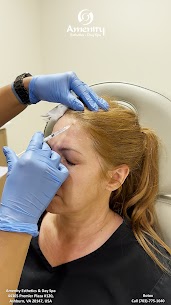
A typical botox session for frown lines takes around 10 minutes of procedure time. After photographs for your file, we cleanse the area and mark injection sites according to your muscle pattern. You will feel a series of small pinches. I use a very fine needle and minimal volume to limit spread. There is no need for topical anesthetic for most people, though it can be offered.
Expect mild swelling at each point for 10 to 20 minutes. Small pink bumps settle quickly, and makeup can be applied a few hours later. I advise avoiding heavy sweating, massages around the brows, or lying flat for 3 to 4 hours after botox face injections. This precaution reduces the chance of unwanted diffusion. Normal daily activities resume right away. People often schedule a midday botox appointment and return to work with no interruption.
Dosing, placement, and why precision matters
The glabella is a compact area, but small misjudgments show up as asymmetry or heavy brows. Proper injection depth reaches the muscle belly while staying superficial to bone. I typically split the total botox dosage across five to seven sites to create a balanced relaxant field. The amount can range widely, from light preventive botox for a 28 year old with fine lines to a more robust dose for someone with strong corrugators that tent their brows inward.
Baby botox is a term for microdosing that gives subtle botox smoothing with preserved motion. It is ideal for first timers, actors, or anyone wary of looking “done.” The trade-off is longevity. Lower doses wear off sooner, often around two months of noticeable benefit rather than three to four. Higher doses have greater botox longevity but risk that heavy brow feeling if placed too low or too lateral in the forehead. With frown line botox, a precise pattern above the nose bridge and just medial to the brow heads usually works best. If you habitually lift your brows to compensate for eye heaviness, we avoid treating the lower forehead in the first session and reassess.
How long does botox last between the brows
Most patients enjoy visible smoothing for three to four months. Athletes with high metabolism, people who do intense facial expressions, and those who prefer baby botox may see two to three months. Over time, repeat botox treatments can weaken the habitual pattern and extend intervals slightly. I’ve had patients who began at 12-week schedules and shifted to 14 or 16 weeks after a year of consistent treatment. You won’t get permanent paralysis, but the muscle learns to rest more easily, which helps the skin.
Preventive benefits that compound over time
When used before lines become static, wrinkle botox acts like a crease shield. Imagine folding a piece of paper on the same line all day. If you stop folding, the paper slowly flattens. Skin behaves similarly. The earlier you limit intense repetitive motion, the less likely you’ll engrave the pattern into the dermis. Preventive botox won’t halt all aging, but it reduces the depth of expression lines so that skincare and sun protection can do their jobs more effectively.

For patients already seeing static grooves, the goal shifts to combination therapy. Botox treatment relaxes the driver muscle, while skincare with retinoids, peptides, and sunscreen supports collagen repair. In selected cases, platelet-rich plasma or light fractional resurfacing can speed improvement. Fillers are not first-line for the central glabella due to vascular anatomy, but a tiny microdroplet technique in experienced hands can help severe etched lines after the muscle is adequately relaxed. This is where a trusted botox specialist with surgical or advanced aesthetic training earns their keep. They know when botulinum toxin injections alone can succeed and when to stage additional treatments.
Safety, side effects, and how to avoid heavy brows
Botox safety in the glabellar area is well established when the product is medical botox sourced from regulated suppliers and injected by a certified botox injector. Most side effects are mild and short lived: small bruises, transient headaches, or tenderness at injection points. Rarely, diffusion to the frontalis or levator muscle can cause brow heaviness or eyelid ptosis. Avoiding excessively low injections, limiting post-procedure pressure or rubbing, and respecting safe dose limits significantly reduce these risks.
Allergies to the product are rare. People with active skin infections in the area should delay treatment. Pregnancy and breastfeeding remain contraindications in most clinics. If you are on blood thinners, we discuss bruising risk. A professional botox injections provider will review your medical history, medications, and prior response patterns to tailor a safe botox treatment plan.
What realistic results look and feel like
The goal is not zero movement. Faces that never fold look uncanny. After a well planned botox therapy session, you should see:
- Softer vertical lines between the brows at rest and during expression Less pulling downward on the inner brow, which opens the eye subtly A calmer resting face that reads approachable rather than stern
Early on, some people notice they cannot furrow as sharply. That sensation fades as your brain recalibrates. You don’t lose emotion; you lose the overactive crease that telegraphed stress. Natural looking botox respects the way you communicate. If you are a teacher, salesperson, or performer, we make sure you keep the micro-movements you need for expression.
The before and after timeline
Botox before and after photos are helpful as long as the lighting and expressions are consistent. Immediately after a session, there is no smoothing yet, just those small pinprick bumps that go away quickly. By day 3 to 5, the corrugators begin to soften. At two weeks, most people hit their peak result. The skin above the nose bridge looks smoother, and the shadow between the brows is lighter in photographs.
If the lines were deep at baseline, you may still see a fine etch at rest. That does not mean the botox didn’t work. It means the skin needs time and support. Over several cycles, those residual lines often lift as the skin stops folding on itself day after day. Good skincare, hydration, and consistent sun protection move the needle here.
Cost, value, and how to avoid false economy
Botox cost varies widely by region, injector experience, and pricing model. Some clinics charge by unit, others by area. Transparent clinics will state both botox price per unit and average units used for frown lines so you can compare apples to apples. Affordable botox is not the same as cheap product. Beware of botox deals with unclear brand names or shockingly low prices, especially if the clinic cannot show proper storage or lot tracking. Dilution tricks and non-medical sourcing still crop up. You’re injecting a muscle relaxer near delicate anatomy; quality control matters.
When you evaluate value, think in terms of results per month. If a modest dose of wrinkle reduction botox lasts a clean three months with natural expression, that typically beats a bargain treatment that fades in six weeks or creates asymmetry you need to fix. Top rated botox providers tend to have a lighter touch and more consistent outcomes, which saves you time and repeat visits.
Who is a good candidate, and who should pause
Most healthy adults with dynamic glabellar lines are candidates for facial botox. Strong frowners, migraine patients who scowl during attacks, and people with early fine lines often benefit. Those with severe eyelid hooding or heavy brows may need a more nuanced approach. If the frontalis is already working overtime just to hold the brows up, heavy glabellar dosing can make brows feel heavy. In such cases, we stage the botox cosmetic procedure carefully, sometimes addressing the forehead pattern first or incorporating a brow lift strategy.
People who compete in sports with weight categories, long distance runners, and those with high thyroid activity may metabolize the product faster. That doesn’t preclude treatment, but it sets expectations about botox longevity. Those with unrealistic hopes, such as wanting all forehead and frown movement gone with no risk of a flat look, need honest counseling. The safest, best botox balances movement and smoothing rather than aim for total paralysis.
How we structure repeat treatments and maintenance
A good rhythm for most patients is to book the next botox appointment at 12 to 14 weeks, then adjust based on your response. The skin and your mirror will tell us when it is time for a botox touch up or a full retreat. If your lines return sharply at 10 weeks, we either increase dosage slightly or move the schedule forward. If they persist beautifully at 16 weeks, we stretch your calendar. Over-treating every eight weeks can give a brittle look and wastes product.
Home care matters between sessions. Daily zinc oxide sunscreen, a nightly retinoid if your skin tolerates it, and steady hydration support collagen so the softened movement translates into smoother texture. If you grind teeth at night, consider a dental guard. Clenching habits correlate with midface and forehead tension that can counteract your results. Small lifestyle tweaks make a surprising difference in how long your botox results hold.
Combining with forehead and crow’s feet treatments
The face moves as a unit. Treating the glabella without considering the forehead and lateral canthus can leave odd dynamics. For some, pairing frown line botox with forehead botox and crow feet botox gives a harmonious, refreshed look. The dose in the frontalis must be conservative to avoid a flattened brow, especially if you rely on your brows to lift heavy lids. Around the eyes, light feathering treats the smile lines without stiffening your laugh.
Combination plans aren’t about selling more. They are about matching how your muscles actually work. A minimal three point plan often suffices for early lines. A more comprehensive facial botox plan helps those with strong expressions across the upper face. Either way, the rule is the same: the lowest effective dose, placed where your anatomy needs it, keeps your face animated and your skin smooth.
Addressing common myths and fears
“Botox makes you look fake.” Not when dosing and placement respect your natural expression patterns. The overdone look people fear usually comes from over-treating the forehead, not the glabella.
“Once you start, you can’t stop.” You can stop any time. Your muscles will gradually resume their prior activity, and your lines will return to baseline. There’s no rebound worsening caused by the product. Many patients find that after a year of consistent cosmetic botox injections, their baseline looks slightly better than where they started because they have broken the habit of constant frowning.
“Botox is poisonous.” Botulinum toxin is potent, which is why microgram doses are carefully prepared in medical settings. Medical botox has an excellent safety profile when administered by trained professionals. The key is provenance and technique.
“It works the same everywhere.” Technique and anatomy knowledge define outcomes. A skilled botox provider will ask about eye strain, hydration, sun exposure, and even your job, because these factors shape the muscle activity you bring into the room.
How to choose a provider who prioritizes your face, not a template
Look for a botox clinic that treats faces, not areas. Training matters, but so does the chair-side manner of a clinician who listens and watches carefully. Ask how they assess brow position and asymmetry. Ask where they trained and how they store and track their product. If you see identical dosing for every person on their social feed, be cautious.
During your botox consultation, expect a conversation about your expression goals. Bring photographs where you botox Ashburn like how you look and where you don’t. A trusted botox specialist will map their plan on your face, explain the botox injection process in plain language, and set a clear follow-up. The follow-up is often two weeks later to review botox results, adjust expectations, and document your pattern for next time.
A few practical notes that matter more than you think
- Schedule when you can avoid strenuous workouts for the rest of the day. Heavy exertion immediately after increases spread risk and bruising. Skip alcohol, aspirin, and fish oil the day before if possible to reduce bruising. If you’re on prescribed blood thinners, don’t change anything without medical advice. Check lighting and camera angle in your botox before and after photos. Direct comparison helps you and your injector fine tune future sessions. Protect your skin from the sun. UV exposure degrades collagen, which undermines the work of botox at the skin level. Be patient with static lines. Even with effective injectable botox, collagen turnover takes weeks to months. Good skincare and consistent schedules help.
When botox isn’t enough by itself
Advanced etched creases may need more than muscle relaxation. Light fractional lasers, microneedling with radiofrequency, or carefully selected chemical peels can remodel the top layers of skin while botox maintains a quiet muscle beneath. For the most severe grooves, tiny microdroplets of hyaluronic acid placed superficially can support the scar-like crease. This is not routine in the glabella due to vascular risk, so only consider it with an injector who can explain the anatomy and carries hyaluronidase and emergency protocols. Often, two to three cycles of anti wrinkle botox combined with a medical grade retinoid accomplish more than people expect, making filler unnecessary.
Final thoughts from the treatment chair
The best outcomes come from aligning your goals with your anatomy and lifestyle. If you work outdoors, we build in sun-safe skincare and realistic expectations about botox longevity. If you present on camera, we plan around shoot cycles so your peak smoothing lines up with deadlines. If you are new to botox for wrinkles, start conservatively with subtle botox and adjust as you learn how your face feels.
Frown line botox is a small procedure with outsized impact on how others read your mood. It eases the unconscious tension you carry between the brows, a tiny reset that helps your face match how you actually feel. With a careful plan, professional botox injections deliver reliable, natural improvement and a kinder resting face. If you are exploring “botox consultation near me,” bring your questions, a realistic wish list, and a preference for nuance. You are not a template. Neither should be your treatment.
As for the practicals, plan for brief botox downtime measured in minutes, expect results to build over two weeks, and schedule repeat botox treatments every three to four months until you find your ideal rhythm. Choose a provider who shows their work, explains trade-offs, and uses safe botox treatment techniques. That combination, more than any single product or brand, is what keeps frown lines quiet and expressions honest.